
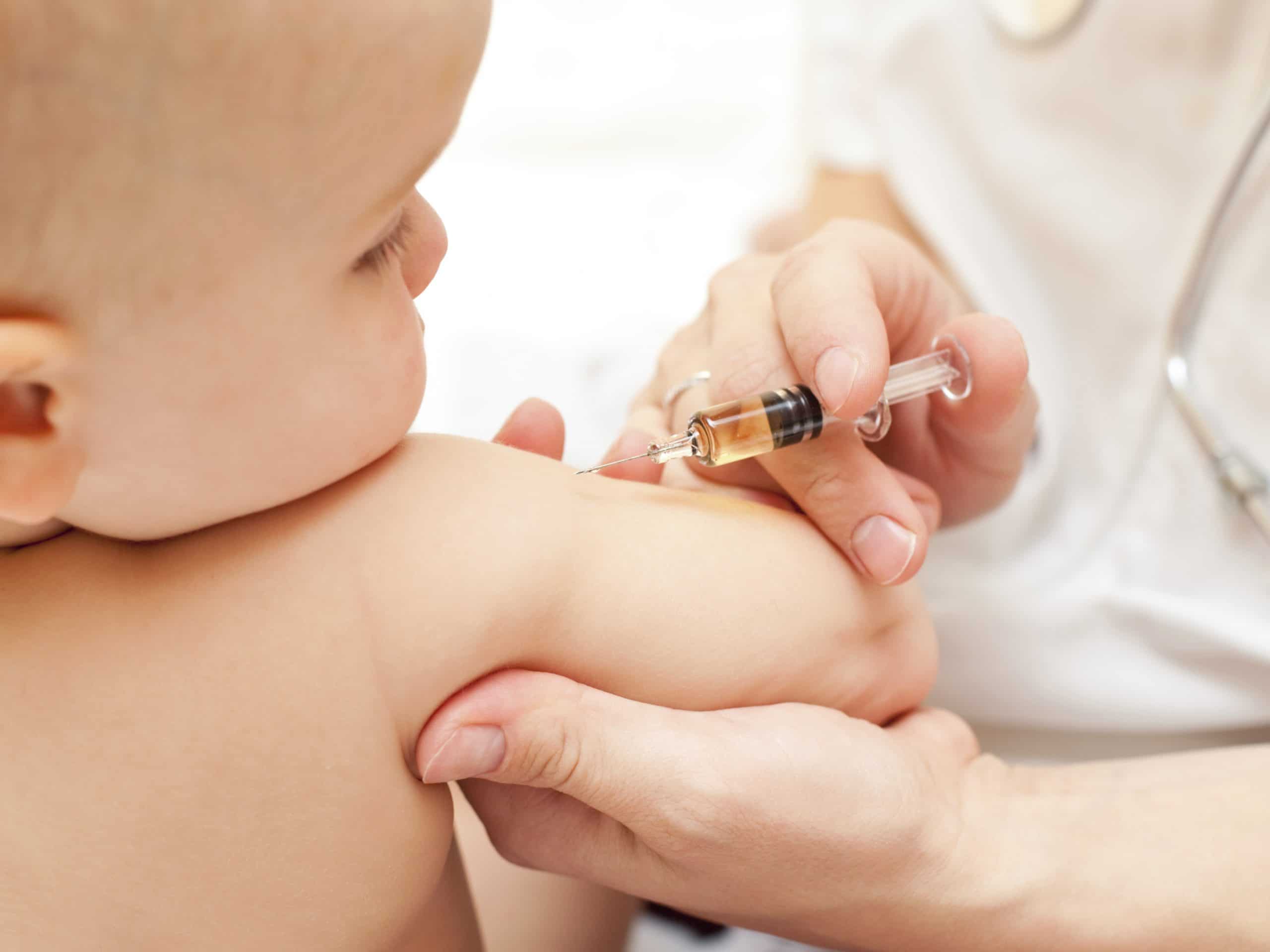
Global Vaccine Rates Decline, Putting Millions of Children at Risk
Over the past 50 years, vaccines have saved millions of children’s lives by protecting them from deadly diseases like measles, polio, and diphtheria. But a major new study shows this progress is now stalling—and even reversing in some countries—putting millions of children worldwide at risk.
The study, led by researchers at the University of Washington and published in The Lancet, found that routine childhood vaccine coverage has dropped in many places since 2010. In fact, measles vaccination rates have declined in almost half of the 204 countries studied. Even wealthy nations like the U.S., UK, France, and Japan have seen drops in at least one major vaccine.
One of the biggest setbacks came from the COVID-19 pandemic, which disrupted healthcare systems and vaccine delivery. But experts say growing vaccine misinformation and hesitancy are now major threats. More parents are questioning vaccine safety due to false information spread online, making them less likely to vaccinate their children.
In 2024 and 2025, measles outbreaks surged in Europe and the U.S., and cases of polio have been reported in parts of Asia and the Pacific. These outbreaks show what can happen when vaccine rates fall.
Experts warn that if urgent action isn’t taken to improve public trust and access to vaccines, the world will miss its 2030 immunization targets—and more children will suffer from diseases that are easily preventable.
Vaccines remain one of the most effective ways to protect children’s health. But for them to work, families need reliable information, equal access, and confidence in their safety.
Read more on this story here.
Get COVID-19 research updates by email
One email a month: new studies and plain-language articles from our health library.
Study alerts: an email only when a matching study opens. Community: our research team may contact you about studies that may fit. Join the community
Read the plain-language guide
Keep reading
All articles
Ready when you are
See which studies you may qualify for
About five minutes. Free, and no obligation to take part.