
A Study of Elecoglipron in Participants With Obesity or Overweight With or Without T2DM
About this study
Are you Struggling With Obesity, or Being Overweight?
This master study protocol covers 2 independent, pivotal studies, Study 1 and Study 2. Each study is a global, randomized, double-blind, parallel-group, multicenter, Phase III study to assess the efficacy and safety of elecoglipron compared with placebo adjunct to diet and exercise for weight management, in adults living with obesity or overweight with at least one weight-related comorbidity, and without T2DM (Study 1) or with T2DM (Study 2).
Would you like to take part?
As a volunteer in a research study, you’ll receive study-related medical care from the study doctor and regular follow-up of your health to monitor the effectiveness of the care you’ll receive. The results of this research will be used to find out if the investigational medication being studied will be of benefit to others struggling with obesity and weight loss, and whether it will be made widely available to all Canadians trying to manage obesity. Study volunteers are an important part of moving medical care forward.
Who may qualify
- At least 18 years of age at the time of signing informed consent
- For Study 1 –
- Have a BMI ≥ 30 kg/m2 OR
- BMI of 25 kg/m2 ≤ BMI < 30 kg/m2 with at least one of the following weight-related comorbidities:
- Have hypertension
- Have prediabetes
- Have dyslipidemia
- Have cardiovascular disease
- Have obstructive sleep apnea.
- For Study 2 –
- Have a BMI ≥ 25 kg/m2 and T2DM defined as below:
- Established diagnosis of T2DM
- Without established diagnosis of T2DM and HbA1c ≥ 6.5% (48 mmol/mol) at the screening visit
- Have a BMI ≥ 25 kg/m2 and T2DM defined as below:
- Have a stable body weight (self-reported or documented) for 90 days prior to the screening visit (± 5% body weight change)
- Have a history of at least one self-reported unsuccessful dietary effort to lose body weight.
- For Study 1 –
- Established diagnosis of T1DM or T2DM.
- For Study 2 –
- Have any of the following medical history, laboratory values, or complications related to diabetes:
- T1DM
- HbA1c ≥ 10% (86 mmol/mol) at the screening visit
- Are currently receiving, or anticipated to receive, therapeutic intervention for diabetic retinopathy and/or macular edema.
- Have had more than one episode of severe hypoglycemia within 180 days prior to the screening visit, or has a history of hypoglycemia unawareness or poor recognition of hypoglycemic symptoms
- Have any of the following medical history, laboratory values, or complications related to diabetes:
- Have a history of acute (unless due to previously resolved gallstone pancreatitis and post-cholecystectomy) or chronic pancreatitis
- Have a history/family history (first degree biologic relatives) of medullary thyroid cancer or multiple endocrine neoplasia type 2
What participation may involve
- Regular visits with the study team at no cost
- Study assessments and health monitoring throughout
- Check-ins between visits
- Informed consent before anything begins — questions welcome
What participants may receive
- Study-related care from a physician-led team
- Study assessments at no cost
- Reimbursement for reasonable travel, where applicable
Where this study is enrolling
 TORONTO, ONAlbion Finch Medical CentrePrincipal investigator: Dr. Anil K. GuptaView site →
 MONTREAL, QCCentre Medical AcadiePrincipal investigator: Dr. Ronald AkhrasView site →
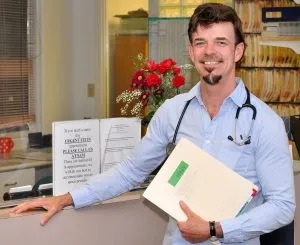 VICTORIA, BCCook Street Medical ClinicPrincipal investigator: Dr. Michael JonesView site →
 STOUFFVILLE, ONStouffville Medical CentrePrincipal investigator: Dr. Nima Mirtorabi, Dr. Sarah Barclay, Dr. Douglas WuView site →
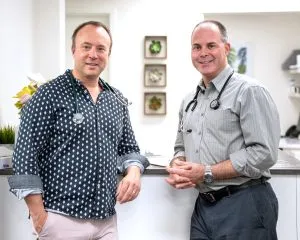 SARNIA, ONBluewater Clinical Research GroupPrincipal investigator: Dr. John O’Mahony, Dr. Sean PetersonView site →
Learn more
Weight Conditions (Overweight, Obesity)
Obesity is a long-term medical condition in which extra body fat builds up to a point where it can affect health. Canadian clinical guidelines describe it as a…
Read about this condition →Diabetes
Diabetes means the level of sugar, or glucose, in your blood stays too high because your body cannot make enough insulin or cannot use the insulin it makes.…
Read about this condition →General Health
General health is the part of clinical research that is not built around a single diagnosis: prevention, vaccines, healthy ageing, weight and smoking, and studies that need volunteers…
Read about this condition →


Other studies you can explore
All current studies → RecruitingA Study to Evaluate the Effects of Enicepatide in Participants With Obesity or Overweight Without Type 2 DiabetesSarniaCheck availability →
 RecruitingStudy for People With Excess Body Weight and Knee OsteoarthritisMontrealCheck availability →
 RecruitingStudy to Help People Lose Excess Body WeightLondonCheck availability →