
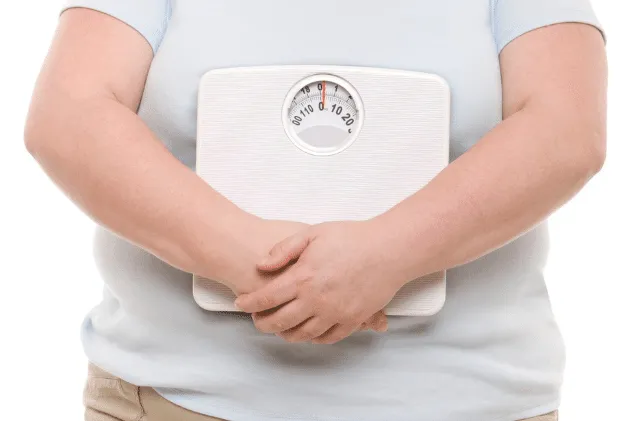
Weight Often Returns After Stopping GLP-1 Weight Loss Drugs, Study Finds
A new study from researchers at the University of Cambridge suggests that many people regain weight after stopping popular weight loss medications such as Ozempic and Wegovy. However, the research also found that patients typically keep off about a quarter of the weight they originally lost.
These medications belong to a class of drugs that target the GLP-1 receptor, which helps control blood sugar and reduce appetite. By making people feel full after eating sooner, the drugs can lead to significant weight loss. Clinical trials have shown that some patients lose between 15% and 20% of their body weight while taking these treatments.
To better understand what happens when people stop using the medications, researchers conducted a meta analysis of data from 48 scientific studies, including 36 randomized controlled trials. They focused on six major trials that followed more than 3,200 patients for up to a year after stopping treatment. Using this data, the researchers created a model to track how weight changed over time.
The results showed that weight regain happens quickly at first. Within one year of stopping the medication, patients regained about 60% of the weight they had lost. After that, weight gain slowed and eventually leveled off. In the long term, patients were projected to regain about 75% of their lost weight, meaning they kept off roughly 25%.
For example, someone who lost 20% of their body weight while taking the drug might still maintain about a 5% weight reduction over time. Researchers believe this could happen because patients develop healthier eating habits while on the medication or because the drugs may create longer-lasting changes in appetite regulation.
Experts say the findings highlight the importance of maintaining healthy lifestyle habits. Diet and regular exercise can help people manage their weight after they stop taking these medications.
Researchers also noted that it is still unclear whether regained weight consists mostly of fat or includes muscle, which could affect long-term health outcomes.
Read the full article here.
Get Diabetes research updates by email
One email a month: new studies and plain-language articles from our health library.
Study alerts: an email only when a matching study opens. Community: our research team may contact you about studies that may fit. Join the community
Read the plain-language guide
Studies on this topic, enrolling now



Ready when you are
See which studies you may qualify for
About five minutes. Free, and no obligation to take part.