

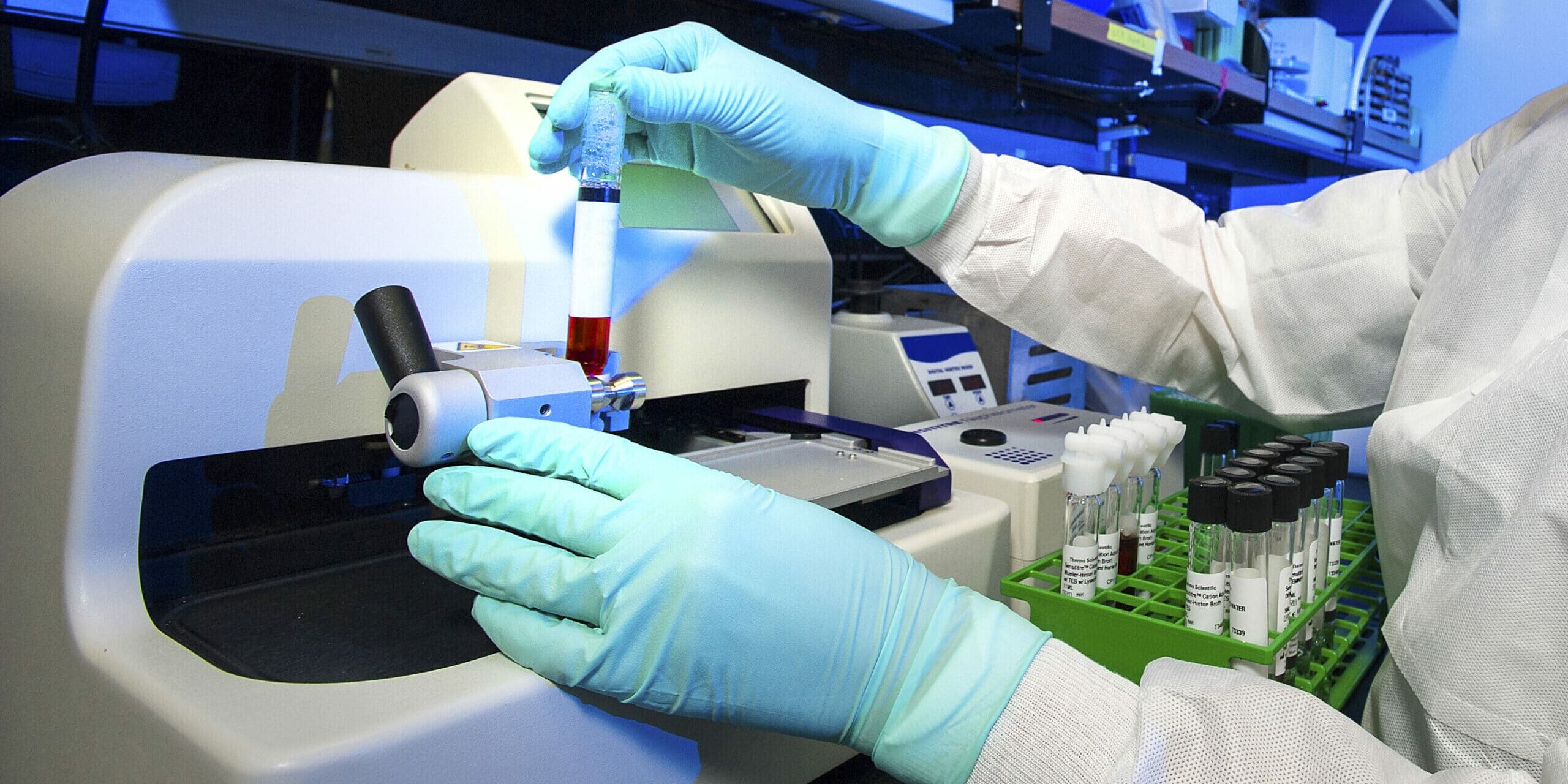
You’ve seen the ads. A sleek kit arrives in the mail, you collect a sample in the privacy of your bathroom, post it back, and within two weeks an app on your phone reveals the intimate secrets of your gut. Information such as which bacteria you’re housing, which you’re missing, why you’re tired, why your skin is breaking out, and exactly which probiotic supplement you should be buying to fix all of it.
The at-home gut microbiome testing market was valued at around $1.8 billion in 2025, and analysts project it to more than triple by 2034. Dozens of companies now compete for your gut, with names designed to sound both scientific and approachable. The promise is seductive: for somewhere between $99 and $399, you can finally understand what’s going on inside your digestive system.
There’s just one problem. In February 2026, researchers from the National Institute of Standards and Technology (NIST) — the federal agency whose job is literally to ensure that measurements mean something — published the most rigorous independent evaluation of these tests ever conducted. Their conclusion was not what the wellness industry would like you to read.
But here’s the thing: the story isn’t simply “these tests are useless.” The truth is more nuanced, interesting, and ultimately more useful than that.
How At-Home Gut Tests Actually Work
Before evaluating what these tests can and can’t tell you, it helps to understand what they’re actually doing.
All commercial gut microbiome tests are built on the same basic approach: you collect a small stool sample at home using a provided swab or collection kit, seal it in a preservation tube, and mail it to a laboratory. There, the sample undergoes DNA sequencing to identify which microorganisms are present and in what relative proportions.
Most use a technique called 16S rRNA sequencing, which targets a specific gene region present in all bacteria. It’s a powerful tool for identifying bacterial genera and species, but it has meaningful limitations, which we’ll come back to. More sophisticated tests use whole-genome shotgun (WGS) sequencing, which reads the entire genetic content of the sample. This provides more detailed information about microbial function (not just which bacteria are present, but what they’re doing) but it’s more expensive to run and generates vastly more data to interpret.
Once the sequencing is done, your results are processed through proprietary algorithms and presented in an app or report as: a diversity score, a breakdown of bacterial populations, comparisons to a reference database, and a set of personalized recommendations covering diet, lifestyle, and often specific supplements.
Moving from sequencing data to personalized recommendation is where things get complicated.
The NIST Study: What Happened When Researchers Tested the Testers
The 2026 NIST study, published in the peer-reviewed journal Communications Biology, is the clearest window into the current state of at-home microbiome testing. Led by Dr. Stephanie Servetas and colleagues, it did something elegantly straightforward: it sent the exact same standardized stool sample to seven different companies, ordering three kits from each — 21 kits total.
The standardized sample used was a NIST-developed human fecal reference material, meaning its microbial composition was already known with high precision from independent laboratory analysis. Researchers knew what was actually in the sample. The question was whether the seven companies would correctly and consistently identify what they were looking at.
“The results revealed significant variability in bacterial abundance and health assessments — even when analyzing identical samples. Differences in sampling, processing, and analysis methods among companies contributed to these inconsistencies.”
The scale of the discrepancy was striking. “Variability between providers was on the same scale as biological variability between different donors,” meaning the variation in results between companies was as large as the variation you’d expect between two entirely different people. When companies analyzed the same sample three times using their own kits, results also varied between runs within the same company.
“One company reported the microbiome analysis as unhealthy, while the other six companies reported healthy gut microbiota for the individual.”
That’s not a small discrepancy. That’s the difference between “your gut is fine” and “your gut needs attention,” from the same sample, in the same week.
“The researchers attributed observed differences to methodological variability and a lack of sufficient quality control.” More specifically: different companies use different DNA extraction methods, different sequencing platforms, different reference databases to identify what they’ve sequenced, and different algorithms to translate raw data into the reports consumers receive. There is no standardized methodology. There is no independent quality benchmarking. And, critically, “as of early 2026, no clinical microbiome diagnostic test is approved by regulatory authorities in the United States, and the only sequencing-based test with CE marking in Europe is publicly discouraged by the French Society of Microbiology.”
This is the foundational problem. The tests are being sold with the confidence of diagnostic medicine but are regulated (or more accurately, not regulated) as general wellness products.
The Regulatory Gap: Why These Tests Occupy a Legal Grey Zone
Understanding where at-home microbiome tests sit in the regulatory landscape matters, because it explains why the market has been able to make claims that would not be permitted of a medical diagnostic device.
“At-home tests are considered “personal wellness” services that, unlike medical tests, are not subject to the analytical and clinical validation standards required for them to be reliable diagnostic tools.” They “straddle the line between more strictly regulated medical devices and minimally regulated general health and wellness products — a distinction that may not be readily apparent to consumers.”
In practice, this means a company can market a test as revealing insights into your “inflammation risk,” “mental health potential,” or “digestive wellness” without having to demonstrate to any regulatory body that the test actually does what it claims. A pharmaceutical company, by contrast, cannot make therapeutic claims about a drug without clinical trial evidence. The microbiome testing industry currently operates closer to the supplement market than the diagnostic medicine market — and the supplement market is famously weakly regulated.
This gap has not gone unnoticed. A 2024 commentary published in Science by Hoffmann and colleagues explicitly called for more regulation of the DTC microbiome testing industry. And in early 2025, an international panel of 69 clinicians, microbiologists, microbial ecologists, and computational biologists published the first-ever consensus framework for microbiome testing in clinical practice — in The Lancet Gastroenterology & Hepatology. “The expert panel noted that an increasing number of commercial providers offer direct-to-consumer microbiome diagnostic tests without any consensus on their regulation or any proven value in clinical practice, which could result in considerable waste of individual and health-care resources and potential drawbacks in the clinical management of patients.”
That’s 69 of the world’s leading microbiome researchers, publishing in one of medicine’s most prestigious journals, raising the alarm about the gap between what these tests promise and what they can currently deliver.
The Deeper Scientific Challenges
Beyond regulatory gaps and methodological inconsistency, there are fundamental scientific limitations that constrain what any gut microbiome test (no matter how sophisticated) can currently tell you. These are not fixable with better algorithms or stricter quality control. They are inherent to where microbiome science currently sits.
There is no established definition of a “healthy” microbiome
This is the challenge that sits beneath almost every other limitation. “There is no single definition of a “healthy” microbiome, since gut composition varies wildly — even among healthy people — making microbiome test results difficult to interpret.”
Population-level microbiome research consistently shows enormous variation in bacterial composition between healthy individuals across different countries, ethnic backgrounds, ages, and dietary patterns. What looks like an “abnormal” abundance of a particular bacterial species in a test result may simply be normal for you, your family background, your diet, or your geography. Without a validated reference range that accounts for this variation, “your levels of X bacteria are lower than average” may mean nothing clinically relevant at all.
This isn’t a gap the companies can fill with a bigger database. It reflects the state of the science itself. “The direct application of microbiome tests to diagnose or manage health conditions is hindered by unknowns in the microbiome, the absence of matched health ranges for microbiome composition and functions, and insufficient frameworks for moving microbiome research from bench to bedside.”
A stool sample is not your whole gut
Your gut is not a single homogeneous environment. Microbial communities differ significantly between the small intestine, the large intestine, the cecum, and the colon. They differ between the lumen (the interior space) and the mucosal layer (the gut wall surface). The bacteria living attached to your gut lining (arguably the most functionally relevant for gut barrier health) are largely different from the bacteria present in your stool.
“Stool sample tests often can identify the presence of some bacteria, but stool sample tests are difficult to collect and only reveal the existence of a limited number and species of bacteria present in the gut. As such, stool sample tests cannot provide guidance regarding overall health, disease state, or disease risk of an individual.”
A stool sample is a useful window into your gut — it’s just not a complete picture. It’s more like a photograph of the people leaving a building than a census of everyone inside.
Your microbiome changes constantly
Your gut microbiome is not a stable, fixed entity. It fluctuates in response to what you ate yesterday, whether you slept well, your stress levels, physical activity, any medications you’re taking, seasonal variation, and a dozen other factors. Studies show meaningful variation in microbiome composition within the same individual across days and weeks.
“Stool samples don’t represent your whole gut, results fluctuate daily, and contamination can affect accuracy.” This means a single test result is a snapshot of one moment — and that moment may not be representative of your microbiome’s typical state, let alone its relationship to your long-term health.
16S sequencing identifies who is present, not what they are doing
The most widely used sequencing method in at-home tests — 16S rRNA sequencing — tells you which bacterial genera and species are present and in what relative abundance. What it cannot tell you is whether those bacteria are metabolically active, what compounds they are actually producing, or whether they are contributing positively or negatively to your health in your specific biological context.
Two people can have the same species of bacteria in similar proportions and have completely different functional outcomes, depending on genetic factors, what those bacteria are eating, and the broader ecological dynamics of their microbial community. “Current microbiome tests mainly focus on compositional data — what microbes are present and in what proportion. While this gives useful information about diversity and relative abundance, it doesn’t necessarily indicate gut health status such as inflammation or permeability.”
The more sophisticated whole-genome shotgun sequencing approaches are better on this dimension but even then, the interpretation of what those functional profiles mean for health in a specific individual is an area of active scientific development, not settled knowledge.
So What Can These Tests Actually Tell You?
Given all of this, it would be easy to conclude that at-home microbiome tests are worthless. That conclusion is also too simple. There are things these tests can legitimately offer, you just need to be clear-eyed about what those things are.
A broad-strokes snapshot of your microbial diversity
The single most meaningful piece of data a gut microbiome test can provide is a general read on your microbial diversity — specifically, measures of alpha diversity (how many different species are present and how evenly distributed they are) and, where multiple samples are analyzed over time, beta diversity (how much your microbiome is changing).
“When performed correctly, gut microbiome tests can reliably provide an overview of your microbial diversity.” Higher microbial diversity is consistently associated with better gut health outcomes across the research literature — this is one of the most robust findings in microbiome science. A very low diversity score, confirmed across multiple samples, is a meaningful signal worth discussing with a healthcare provider. It won’t tell you what’s causing the low diversity or what specifically to do about it, but it flags that something is worth paying attention to.
Presence of specific concerning taxa
Some tests are reasonably reliable at flagging significantly elevated or depleted levels of specific bacterial genera that have stronger evidence behind them. Elevated Fusobacterium nucleatum (associated with colorectal cancer risk in research settings) or severely depleted Akkermansia muciniphila (associated with gut barrier health and metabolic function) are findings that a gastroenterologist would want to know about in the context of clinical symptoms.
The critical caveat: these findings need clinical context. An elevated Fusobacterium reading on a consumer test is not a cancer screening tool. It is, at most, a prompt to have a conversation with your doctor; who may or may not consider it worth following up on based on your age, family history, and symptoms.
A motivational tool for dietary change — if used carefully
For some people, seeing their microbiome data makes abstract nutritional advice feel concrete and personally relevant. Research on health behavior change consistently shows that personalized feedback, even when imprecise, can motivate sustained dietary improvement more effectively than general guidelines alone.
If a test result prompts you to eat more diverse plant foods, add fermented foods to your diet, and track how your body responds to dietary changes, and you treat the data as a motivational aid rather than a diagnostic verdict, that’s a legitimate use case.
The risk is using it as a diagnostic oracle. Making significant changes to your diet, stopping medications, or purchasing expensive supplement protocols based solely on a consumer microbiome test is not clinically supported.
A useful longitudinal comparison tool — with limitations
If you test at one point, make sustained dietary changes, and test again three to six months later, the directional change in diversity scores can be a useful (if imprecise) signal that something is shifting. This is probably more meaningful than any single snapshot. Again: the comparison needs to be with the same company’s methodology, ideally processed at the same time to reduce batch variability.
What These Tests Cannot Tell You
To be explicit about the limits, here are some things no currently available at-home gut microbiome test can reliably tell you:
Whether you have a specific disease. No at-home microbiome test is a diagnostic tool for IBD, IBS, celiac disease, cancer, or any other condition. If you have persistent, significant GI symptoms, you need clinical evaluation — not a consumer sequencing kit.
Why you have specific symptoms. “Your Firmicutes-to-Bacteroidetes ratio is elevated” does not explain why you are tired, bloated, or anxious. The relationship between specific microbial signatures and specific symptoms in individuals is not clinically established at the resolution these tests imply.
Exactly which probiotic you should take. The personalized probiotic recommendations attached to most test results are generated by proprietary algorithms, not validated clinical evidence. The probiotic industry is also poorly regulated, and most consumer probiotics contain far fewer live organisms than labeled by the time they reach you. Probiotic selection for specific conditions should be based on strain-specific clinical trial evidence, discussed with a healthcare provider.
Whether a specific food is making you sick. At-home microbiome tests are not food sensitivity tests. They do not measure immune responses to food antigens. Food sensitivity testing is a separate (and also often overstated) category.
Your risk of future disease. Despite the way some companies present their results, the current state of microbiome science does not support predictive health risk scoring from a single stool sample. The research is not there.
Questions Worth Asking Before You Buy
If you’re still considering an at-home microbiome test (which is a reasonable personal choice, provided you understand what you’re getting) here are the questions that matter:
What sequencing method do they use? Whole-genome shotgun sequencing provides more functional data than 16S rRNA sequencing. It’s more expensive, but if you’re paying for depth of information, it’s worth knowing what you’re getting.
What is their reference database, and how large is it? Larger, more diverse reference databases produce more meaningful comparisons. Ask whether their database includes populations similar to your own background.
How do they handle quality control? This is something most companies won’t share transparently, but it’s worth asking. The NIST study found that quality control was a primary driver of variability between companies.
What do they do with your data? Microbiome data is highly personal and, in research contexts, commercially valuable. Read the privacy policy. Understand whether your data is sold to third parties or used to train algorithms.
Is there a clinician in the loop? Some higher-end services offer a consultation with a registered dietitian or gastroenterologist as part of the package. This significantly increases the clinical usefulness of the results by providing the context that a raw data report cannot.
What Researchers Think You Should Do Instead
Given the current state of the technology, here is where the scientific consensus lands on a practical level.
“Focusing on science-backed habits — like fiber-rich eating and clinically-tested probiotic strains — gives you a more reliable path to gut health than chasing personalized microbiome test scores. For digestive concerns or health issues, you’re better off consulting a healthcare professional than relying on direct-to-consumer microbiome testing.”
This isn’t a counsel of despair; it’s actually good news. Because the interventions that the research most strongly supports for gut health are not proprietary, not expensive, and don’t require a sequencing result to tell you to do them: dietary fiber diversity, fermented foods, reduced ultra-processed food intake, adequate sleep, regular movement, and managing chronic stress.
These are interventions with decades of well-controlled clinical trial evidence behind them. They will improve the functional health of your gut microbiome regardless of what any test currently says your specific bacterial counts are. And unlike the personalized recommendations generated by consumer testing algorithms, they’re built on a scientific foundation solid enough to trust.
The research community is not dismissing the long-term potential of microbiome testing. The 2025 Lancet Gastroenterology & Hepatology consensus “was described by one of its authors as “a decisive step towards a standardization that has become indispensable, making the microbiota an increasingly integrated element in personalized medicine.”” The tools are being built. The frameworks are being laid. In five to ten years, clinically validated microbiome testing may be a meaningful part of routine healthcare.
We are just not there yet.
The Honest Verdict
At-home gut microbiome tests are a fascinating consumer technology operating at the frontier of a genuinely exciting scientific field, and they are currently ahead of the evidence base required to deliver on most of their promises.
A 2026 NIST study using a standardized sample found variability between companies so large it matched the biological difference between two separate people. As of early 2026, no microbiome diagnostic test is FDA-approved in the US. The world’s leading microbiome researchers, writing in The Lancet, have formally flagged the risk of unvalidated consumer tests to both individual health and healthcare resources.
This is not a reason to write off the field. Microbiome science is one of the most rapidly advancing areas of modern medicine, and the clinical applications being developed in research settings — for IBD, for cancer immunotherapy prediction, for metabolic disease — are genuinely promising. But the gap between the research laboratory and a $150 kit that tells you to take a specific probiotic based on your Akkermansia levels is, right now, significant.
Use these tests the way researchers would want you to: as a broad, directional, motivational snapshot, not as a diagnostic oracle. If you have real symptoms, see a clinician. If you want to improve your gut health, start with what the evidence already tells us works. And if you do test, treat the results with the appropriate skepticism; including, especially, the supplement recommendations attached to them.
Key Studies and Sources
- Servetas SL, et al. Evaluating the Analytical Performance of Direct-to-Consumer Gut Microbiome Testing Services. Communications Biology. 2026. DOI: 10.1038/s42003-025-09301-3
- Porcari S, Mullish BH, Asnicar F, et al. International Consensus Statement on Microbiome Testing in Clinical Practice. Lancet Gastroenterology & Hepatology. 2025;10(2):154–167. DOI: 10.1016/S2468-1253(24)00311-X
- Hoffmann DE, et al. The DTC Microbiome Testing Industry Needs More Regulation. Science. 2024;383:1176–1179.
- Biocodex Microbiota Institute. How Reliable Are At-Home Gut Microbiome Tests? May 2026. Link
- Parsemus Foundation. Gut Microbiome Tests: Popular, Pricey, and Surprisingly Unreliable. June 2026. Link
- Navigating Microbiome Variability: Implications for Research, Diagnostics, and Direct-to-Consumer Testing. PMC. 2025. Link
Continue reading:
Your Gut Microbiome: What It Is, What It Does & Why Doctors Care (Week 1)
Fibermaxxing — is the viral trend actually backed by science? (Week 2)
7 Signs Your Gut Health Needs Attention, and What Clinical Evidence Suggests You Do (Week 3)
Is Leaky Gut Syndrome a Fringe Diagnosis, or Real Condition? (Week 4)
This page is also available in:
 Français
