

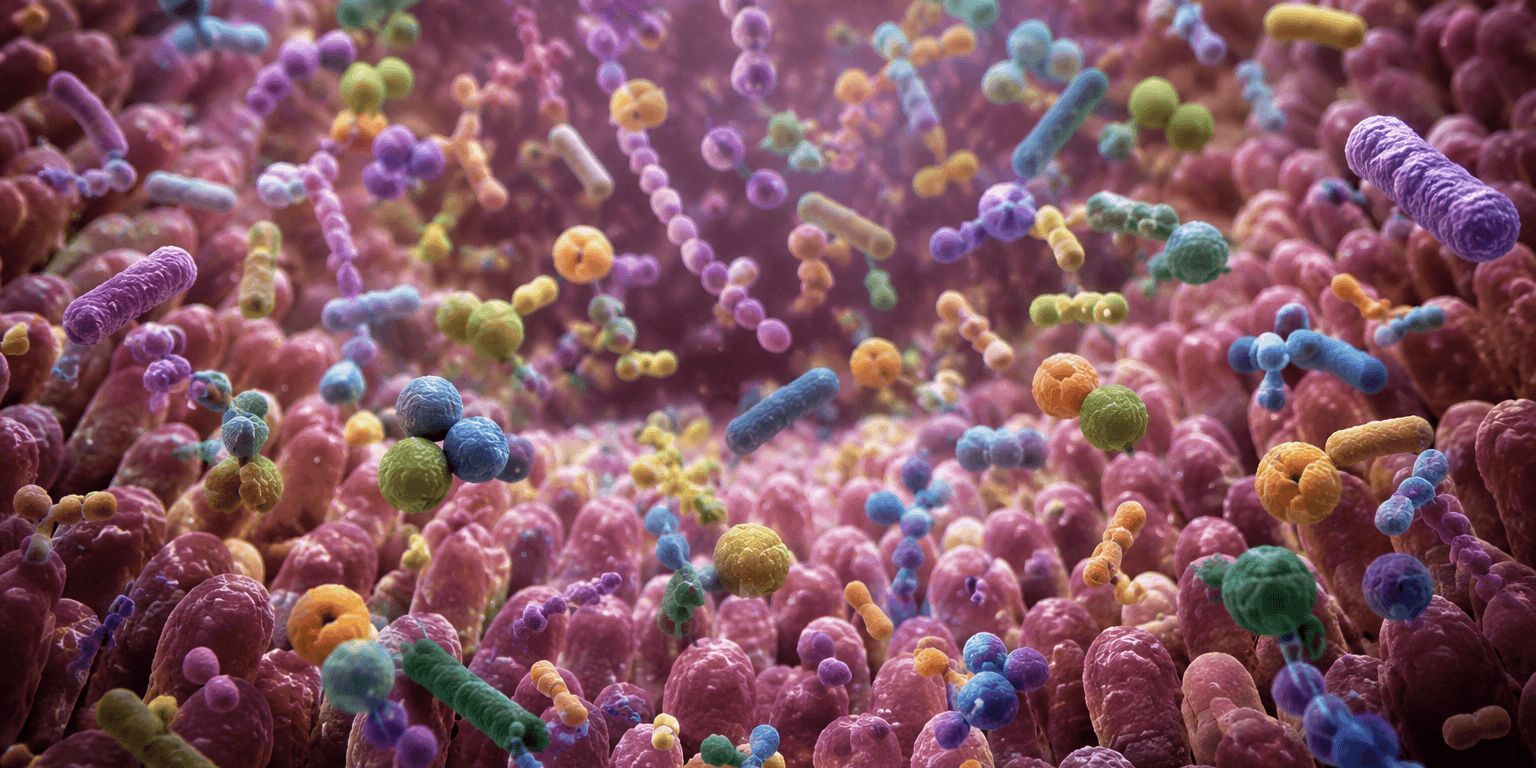
There are more microorganisms living in your gut right now than there are stars in the Milky Way. Scientists estimate the number at around 38 trillion; outnumbering the human cells in your body by a ratio that researchers are still debating but agree is staggering. For most of medical history, these organisms were either unknown or dismissed as background noise. Now, a growing body of clinical research is revealing that they may be among the most important drivers of human health we have ever studied.
Gastroenterologists, immunologists, psychiatrists, and endocrinologists are all paying attention. Gut health has moved from the wellness fringe to the pages of Nature, The Lancet, and the New England Journal of Medicine. A 2022 review in Cell described the gut microbiome as “an organ in its own right” — one that interacts with virtually every system in the human body.
So, what exactly is the gut microbiome? What does it actually do? And why, after decades of being overlooked, has it become the focus of thousands of clinical studies every year? This guide walks through everything the research currently supports in plain language, with citations you can check yourself.
A note on this post
This is the first post in our Gut Health series — a six-week deep dive into one of the most researched areas in modern medicine. Each post builds on the last.
What the gut microbiome actually is
The term “microbiome” refers to the complete community of microorganisms (bacteria, fungi, viruses, archaea, and other microscopic life forms) living within a specific environment. Your gut microbiome is the one inhabiting your gastrointestinal tract, primarily concentrated in the large intestine (colon).
Think of it as a rainforest. A healthy rainforest is extraordinarily diverse; thousands of species occupying different niches, keeping each other in balance, decomposing, building, and recycling in ways that make the whole ecosystem thrive. A monoculture farm, by contrast, is vulnerable: remove the single crop, and the system collapses. Your microbiome works the same way. Diversity is the measure of health.
Your gut microbiome is not a single thing — it is a living ecosystem of trillions of organisms that is as unique to you as your fingerprint.
The Human Microbiome Project, a landmark NIH initiative launched in 2007, was the first systematic attempt to catalogue the microorganisms living in and on healthy human bodies. What researchers found was both remarkable and humbling: the gut alone contains somewhere between 500 and 1,000 distinct bacterial species, with Firmicutes and Bacteroidetes making up the majority in most people. But the exact composition is highly individual. Your microbiome is shaped by your birth method, early diet, antibiotic exposure, geography, lifestyle, and genetics.
No two microbiomes are identical. And crucially, the research shows that greater microbial diversity is consistently associated with better health outcomes, while a reduced diversity microbiome (called dysbiosis) is linked to a growing list of chronic conditions.
What your microbiome does: five functions now backed by strong evidence
For a long time, the gut was understood to have one job: digestion. Absorb nutrients, move waste along, repeat. Clinical research over the past two decades has fundamentally overturned this picture. The gut microbiome is now understood to have at least five distinct physiological functions — each of which has clinical trial evidence behind it.
- Digestion and nutrient extraction
Your body cannot break down certain foods on its own; most notably, dietary fiber. Gut bacteria ferment fiber into short-chain fatty acids (SCFAs) including butyrate, propionate, and acetate. Butyrate in particular is the primary energy source for colonocytes (the cells lining your colon) and is essential for maintaining the gut wall’s integrity. Without a healthy microbiome, significant dietary value from plant foods is simply lost.
Clinical evidence: A 2019 study in Cell Host & Microbe demonstrated that the diversity of fiber-fermenting bacteria directly correlated with SCFA production and metabolic health markers in human subjects.
- Immune system training and regulation
This is where the research gets genuinely surprising. Approximately 70-80% of the body’s immune tissue is in and around the gut, a system called the gut-associated lymphoid tissue (GALT). The microbiome is not passive here. It actively trains immune cells, teaching them to distinguish between harmless food proteins and genuinely threatening pathogens. A well-populated, diverse microbiome calibrates the immune system toward appropriate responses. Dysbiosis is associated with both under-reaction (increased infection susceptibility) and over-reaction (autoimmune and allergic conditions).
Clinical evidence: A 2021 meta-analysis in Nature Reviews Immunology reviewed 27 clinical studies and found consistent associations between microbiome diversity and immune regulation markers, with dysbiosis linked to elevated inflammatory cytokines.
- Neurotransmitter production
Your gut makes brain chemicals — and the quantities involved are not trivial. Gut bacteria and enterochromaffin cells (specialized intestinal cells) are responsible for producing approximately 90% of the body’s serotonin. They also produce significant quantities of GABA precursors and contribute to dopamine metabolism. This is not the same as saying your gut controls your mood (the picture is considerably more complex) but it is the mechanistic foundation of the gut-brain axis, which we will cover in full in part 2 of this series.
Clinical evidence: Yano et al. (2015, Cell) demonstrated that specific gut bacterial species (particularly spore-forming bacteria) directly stimulate serotonin biosynthesis in colonic enterochromaffin cells in both mice and human cell cultures.
- Inflammation control
Chronic low-grade inflammation is now considered a root mechanism in conditions ranging from cardiovascular disease and type 2 diabetes to Alzheimer’s and certain cancers. The gut microbiome plays a direct role in modulating systemic inflammation. A healthy, diverse microbiome helps maintain the gut epithelial barrier (sometimes called the “leaky gut” mechanism when it fails) preventing bacterial products called lipopolysaccharides (LPS) from entering the bloodstream and triggering inflammatory responses.
Clinical evidence: A landmark 2020 paper in Cell (Sonnenburg & Sonnenburg) showed that a high-fiber diet increased microbiome diversity and decreased inflammatory markers, while a high-fermented food diet decreased 19 inflammatory proteins including interleukin-17A.
- Metabolic regulation
Gut bacteria influence how your body extracts energy from food, how it manages blood sugar, and how it regulates fat storage. Microbiome composition has been linked to obesity, insulin resistance, and metabolic syndrome in multiple large-scale studies. Research is now exploring whether microbiome modulation could be a therapeutic target for metabolic diseases — a question that connects directly to the emerging GLP-1 research we’ve covered previously on this blog.
Clinical evidence: The landmark Prevoté et al. (2013, PNAS) study demonstrated that transplanting gut bacteria from obese mice into germ-free mice caused weight gain, while transplanting lean-mouse bacteria did not, establishing a causal (not merely correlational) link between microbiome composition and metabolic outcomes.
What disrupts the microbiome — and how common it is
Understanding what damages your microbiome is, arguably, more immediately actionable than understanding what it does. The good news: the major disruptors are almost all modifiable. The less good news: several of them are things most people encounter and ingest regularly.
Antibiotics
Antibiotics are genuinely life-saving medicines; this section is not an argument against using them when clinically indicated. But their impact on the microbiome is well-documented and significant. A single course of broad-spectrum antibiotics can reduce microbial diversity by 25-30%, and studies show that full recovery can take anywhere from one month to over a year, with some species never fully returning. Children who receive multiple antibiotic courses before age two show measurably reduced microbiome diversity in later life.
Ultra-processed food and low dietary fiber
Gut bacteria are, in the most literal sense, what you feed them. Dietary fiber (the component of plant foods that human digestive enzymes cannot break down) is the primary food source for most beneficial gut bacteria. A diet low in fiber and high in ultra-processed foods (high sugar, refined carbohydrates, emulsifiers, and artificial additives) starves beneficial bacteria and creates conditions that favor less-desirable microbial communities. The average adult in Western countries consumes roughly half the fiber intake associated with optimal microbiome diversity.
Chronic psychological stress
The gut-brain axis runs in both directions. Chronic stress triggers the release of hormones (particularly cortisol and adrenaline) that alter gut motility, intestinal permeability, and the composition of the microbiome itself. Animal studies have demonstrated measurable microbiome changes within 24 hours of a significant stressor; human studies show that individuals with chronic anxiety or high-stress occupations have consistently lower microbiome diversity than controls. This creates a feedback loop: dysbiosis affects mood and stress response, which further disrupts the microbiome.
Poor sleep and circadian disruption
The microbiome has its own circadian rhythm. Microbial populations shift across a 24-hour cycle in response to light and feeding patterns. Disrupting this rhythm (through shift work, irregular sleep schedules, or chronic sleep deprivation) measurably affects microbial diversity. A 2019 study found that just two nights of partial sleep deprivation altered the ratio of Firmicutes to Bacteroidetes in a direction associated with obesity and metabolic dysfunction.
Certain common medications
Beyond antibiotics, several commonly prescribed and over-the-counter medications have documented effects on the microbiome. These include proton pump inhibitors (PPIs, used for acid reflux), NSAIDs (ibuprofen, aspirin), metformin (interestingly, with some beneficial effects in certain contexts), and oral contraceptives. This is not a reason to stop medications prescribed by your doctor, but it is a reason to be aware of the full picture and to discuss any concerns with your healthcare provider.
Signs your microbiome may need attention
It’s important to be clear upfront: none of the following symptoms are diagnostic of dysbiosis on their own. They overlap with many conditions, and experiencing one or more does not mean your microbiome is the root cause. What they represent is a reasonable signal that something in your gut ecology may warrant investigation.
The most commonly reported indicators in the clinical literature include:
- Persistent bloating, gas, or abdominal discomfort not explained by a specific dietary intolerance
- Irregular bowel movements — either chronic constipation, diarrhea, or cycling between both
- Frequent illness or infections, suggesting immune system under-calibration
- Unexplained fatigue that doesn’t resolve with adequate sleep
- Brain fog, difficulty concentrating, or low mood that correlates with digestive symptoms
- Skin conditions including eczema, rosacea, or acne with no clear topical cause
- Food intolerances that seem to be expanding over time
Formal microbiome testing exists, for example stool analysis panels that identify the species composition of your gut bacteria. It’s worth noting that the clinical evidence for consumer-grade testing is still evolving. We will cover this in detail later in this series, including an honest assessment of what current tests can and cannot tell you.
What the evidence actually supports: a tiered breakdown
There is an enormous amount of noise in the gut health space — supplements making sweeping claims, social media trends with weak evidence, and a wellness industry that moves considerably faster than peer-reviewed research. Here is an honest breakdown of what the evidence currently supports, organized by research strength.
Tier 1: Strong, consistent evidence (multiple large cohort studies)
- Increase fiber intake from diverse plant sources.
This is the single most consistently supported intervention in the microbiome literature. Aim for 30+ different plant foods per week. This target sounds extreme until you start counting herbs, spices, legumes, grains, fruits, vegetables, nuts, and seeds separately.
- Regular consumption of fermented foods.
A 2021 Stanford RCT (Wastyk et al., Cell) found that a high-fermented food diet increased microbiome diversity and decreased inflammatory markers in human subjects. Yogurt, kefir, kimchi, sauerkraut, kombucha, and miso are the most studied.
- Avoid antibiotics when not clinically indicated.
This is a public health recommendation as much as a personal one. The evidence for microbiome recovery being incomplete after repeated antibiotic courses is robust.
Tier 2: Promising, but more research needed
- Specific probiotic strains for specific conditions.
The key word here is “specific.” Generic “probiotic” supplements have uneven evidence. Lactobacillus rhamnosus GG has strong evidence for reducing antibiotic-associated diarrhea. Bifidobacterium infantis has evidence for IBS symptom reduction. Claiming a probiotic supplement will generally improve gut health is a different (and weaker) claim. Strain, dose, and target condition all matter.
- Prebiotic supplementation (inulin, FOS, GOS).
Prebiotics are the food for beneficial bacteria. Supplementing with specific prebiotics shows promise in clinical studies, particularly for increasing Bifidobacterium populations. The evidence is more consistent when combined with dietary fiber changes rather than used as a standalone strategy.
- Polyphenol-rich foods (berries, dark chocolate, olive oil, green tea).
Polyphenols are poorly absorbed in the small intestine but extensively metabolized by gut bacteria — making the microbiome, paradoxically, essential to getting their benefit. Evidence suggests polyphenol-rich diets are associated with greater microbiome diversity, though causality is difficult to establish in human studies.
Tier 3: Early-stage or emerging (promising but insufficient human trial data)
- Psychobiotics — probiotic strains selected for mental health outcomes.
Early trials are genuinely interesting, but the sample sizes are small, and the mechanisms are incompletely understood. Watch this space but hold off on buying supplements based on current evidence.
- Fecal microbiota transplants (FMT) beyond C. difficile.
FMT has FDA approval for recurrent C. difficile infection, where it is highly effective. Research into FMT for IBD, IBS, metabolic disease, and neurological conditions is active but not yet at the stage of clinical recommendation.
- Time-restricted eating and circadian-aligned feeding.
Preliminary evidence suggests that when you eat affects microbial composition, not just what you eat. Feeding patterns that align with circadian rhythms appear to benefit microbial diversity. Human trial data is limited but accumulating.
What we don’t yet know — and why that matters
One of the most important things our health blog can do is be honest about the limits of current research. The gut microbiome science is moving fast, but several fundamental questions remain open.
- Many of the associations between microbiome composition and disease are correlational. We know, for example, that people with depression tend to have lower microbiome diversity. We do not yet have definitive RCT evidence that improving microbiome diversity reliably alleviates depression in clinical populations. Causality versus correlation.
- The same dietary intervention can have dramatically different effects on different people’s microbiomes, a finding from multiple personalized nutrition studies. What works on average may not be what works for you. Individual variation.
- In most countries, probiotic supplements are regulated as food, not medicine; meaning label claims are often not rigorously verified. The strain listed on the label may not be the strain in the capsule, and the colony-forming units may not survive to reach the colon. Supplement regulation.
- Most clinical trials run for weeks to months. We have limited data on the long-term effects of sustained microbiome interventions, whether gains in diversity are maintained, and whether any interventions carry long-term risks. Long-term effects of microbiome interventions.
Being honest about these gaps is not a reason to dismiss the field; it is the field being honest with itself. The research trajectory is consistently positive. The unknowns are shrinking. And the clinical consensus is increasingly that the microbiome matters, even if the precise mechanisms are still being worked out.
The bottom line
Your gut microbiome is a complex, living ecosystem of trillions of microorganisms that influences your immune system, your metabolism, your neurological health, and your body’s inflammatory state. The clinical evidence supporting its importance is now robust enough that it has moved from the fringes of gastroenterology to the mainstream of almost every medical discipline.
The most evidence-backed things you can do right now: eat more plants (more variety, not just more volume), include fermented foods regularly, protect your sleep, manage chronic stress, and avoid unnecessary antibiotics. None of these are dramatic. All of them are supported by clinical research.
The less dramatic, more honest truth is this: the microbiome is not a magic lever. Improving it will not cure chronic illness or replace medical treatment. But the evidence increasingly suggests that it is a meaningful contributor to long-term health — one that has been underappreciated for too long and is now getting the scientific attention it deserves.
“The microbiome is not a trend. It is an organ. And like every organ, understanding it better leads to better medicine.” — Paraphrase of the emerging clinical consensus.
Key studies and sources cited
All citations link to primary sources. Where possible, open-access versions are linked.
- Sender R, Fuchs S, Milo R. Revised estimates for the number of human and bacteria cells in the body. Cell. 2016;164(3):337-340.https://pubmed.ncbi.nlm.nih.gov/27594819/
- NIH Human Microbiome Project Consortium. Structure, function and diversity of the healthy human microbiome. Nature.2012;486:207–214.https://pubmed.ncbi.nlm.nih.gov/22699609/
- WastykHC, Fragiadakis GK, Perelman D, et al. Gut-microbiota-targeted diets modulate human immune status. Cell. 2021;184(16):4137-4153.e14. https://pubmed.ncbi.nlm.nih.gov/34256014/
- Yano JM, Yu K, Donaldson GP, et al. Indigenous bacteria from the gut microbiota regulate host serotonin biosynthesis. Cell. 2015;161(2):264-276.https://pubmed.ncbi.nlm.nih.gov/25860609/
- Sonnenburg JL,BäckhedF. Diet–microbiota interactions as moderators of human metabolism. Nature. 2016;535:56–64. https://pubmed.ncbi.nlm.nih.gov/27383980/
- Turnbaugh PJ, Ley RE, Mahowald MA, et al. An obesity-associated gut microbiome with increased capacity for energy harvest. Nature. 2006;444(7122):1027-1031.https://pubmed.ncbi.nlm.nih.gov/17183312/
- Cryan JF, O’Riordan KJ, Cowan CSM, et al. The microbiota-gut-brain axis.PhysiolRev. 2019;99(4):1877-2013. https://pubmed.ncbi.nlm.nih.gov/31460832/
- Zimmermann M, Zimmermann-Kogadeeva M, Wegmann R, et al. Mapping human microbiome drug metabolism by gut bacteria and their genes. Nature. 2019;570(7762):462-467.
- ZmoraN, Suez J, Elinav E. You are what you eat: diet, health and the gut microbiota. Nat Rev Gastroenterol Hepatol. 2019;16(1):35-56. https://pubmed.ncbi.nlm.nih.gov/30262901/
- Leeming ER, Johnson AJ, Spector TD, Le Roy CI. Effect of diet on the gut microbiota: rethinking intervention duration. Nutrients. 2019;11(12):2862.https://pubmed.ncbi.nlm.nih.gov/31766592/
This page is also available in:
 Français
