
5 Types of Exercise that are Arthritis Friendly
Part 2 of 3 in Arthritis AwarenessBuilding muscle strength helps support and protect the joints.
- The right exercise can improve joint flexibility, strengthen muscles, and boost mobility with arthritis.
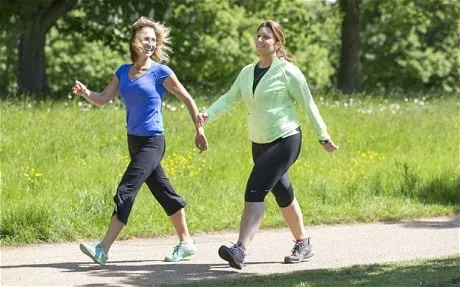
- Walking is a simple, low-impact option that helps knee and hip mobility without too much strain.
- Water supports body weight during swimming or aqua aerobics, reducing stress on the joints.
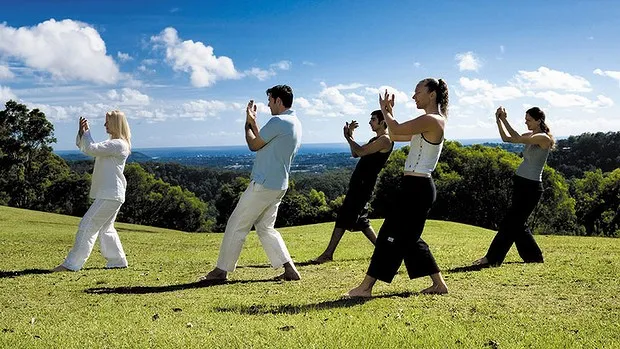
- Yoga and tai chi combine stretching, balance, and relaxation to help reduce pain and stiffness.
- Cycling strengthens the muscles around the knees without putting too much pressure on the joints.
Exercising whilst experiencing arthritis symptoms might sound challenging, but it is one of the best ways to manage pain and stiffness caused by this condition. The right exercises can help improve joint flexibility, strengthen muscles, and boost overall well-being and mobility. Below, we go over some of the best arthritis-friendly exercises that are safe and effective for almost anyone to take part in.
Walking
Walking is a simple, low-impact exercise that almost anyone can do. It helps improve joint mobility, especially in the knees and hips, without putting too much strain on them. Walking also helps keep your heart healthy, and can lift your mood! Start with short walks and gradually increase the distance as you get more comfortable and build confidence.
Swimming and Water Aerobics
Exercising in water is great for people with arthritis because the water supports your body weight, reducing stress on the joints. Swimming or water aerobics can help improve flexibility, strengthen muscles, and provide a full-body workout. The water’s warmth can also help soothe sore joints!
Stretching
Stretching exercises help improve flexibility and range of motion in the joints. Gentle stretches for the arms, legs, and back can be done daily to keep joints flexible. Yoga and tai chi are also excellent choices. These practices combine stretching, balance, and relaxation, which can help reduce pain and stiffness.
Strength Training
Building muscle strength helps support and protect the joints. Use light weights or resistance bands to perform exercises targeting different muscle groups. Start with small weights and gradually increase as your strength improves. Focus on doing the exercises slowly and correctly to avoid injury. Many free videos on proper weight training form can be found on YouTube, or similar websites.
Cycling
Cycling, whether on a stationary bike or outdoors, is a great way to strengthen the muscles around the knees and improve overall leg strength without putting too much pressure on the joints. It’s also a great for improving and sustaining cardiovascular health.
When doing any exercise, it’s essential to listen to your body. Start slowly, warm up and stretch before exercising, and cool down with lower intensity movement afterward. If you experience any pain that doesn’t go away, consult with a healthcare professional or physical therapist to find the best exercises for your specific needs. Remember, staying active is key to managing arthritis effectively!
Arthritis Awareness Month is dedicated to raising awareness about these conditions that affect millions of people worldwide. This month is important for educating the public about its symptoms, treatments, and the daily challenges faced by those living with it. By spreading awareness, we can encourage early diagnosis, promote better treatment options, and inspire community support. To learn more and get involved, check out our other blog posts in this series, and our current studies page.
Common questions
Why is water exercise good for arthritis?
Exercising in water is helpful because the water supports your body weight, reducing stress on the joints. Swimming or water aerobics can improve flexibility, strengthen muscles, and provide a full-body workout, and the water's warmth can help soothe sore joints.
Can strength training help with arthritis?
Yes. Building muscle strength helps support and protect the joints, using light weights or resistance bands to target different muscle groups. Doing the exercises slowly and correctly matters to avoid injury.
What if exercise causes pain?
Listen to your body, warm up and stretch before exercising, and cool down with lower intensity movement afterward. If you experience any pain that does not go away, consult a healthcare professional or physical therapist to find the right exercises for your specific needs.
Get Arthritis & Joint Pain research updates by email
One email a month: new studies and plain-language articles from our health library.
Study alerts: an email only when a matching study opens. Community: our research team may contact you about studies that may fit. Join the community
Read the plain-language guide
Studies on this topic, enrolling now



Keep reading
All articles

Ready when you are
See which studies you may qualify for
About five minutes. Free, and no obligation to take part.